Case study · Flux Museum, East London
Replacing a Dorma RTS 85 like for like
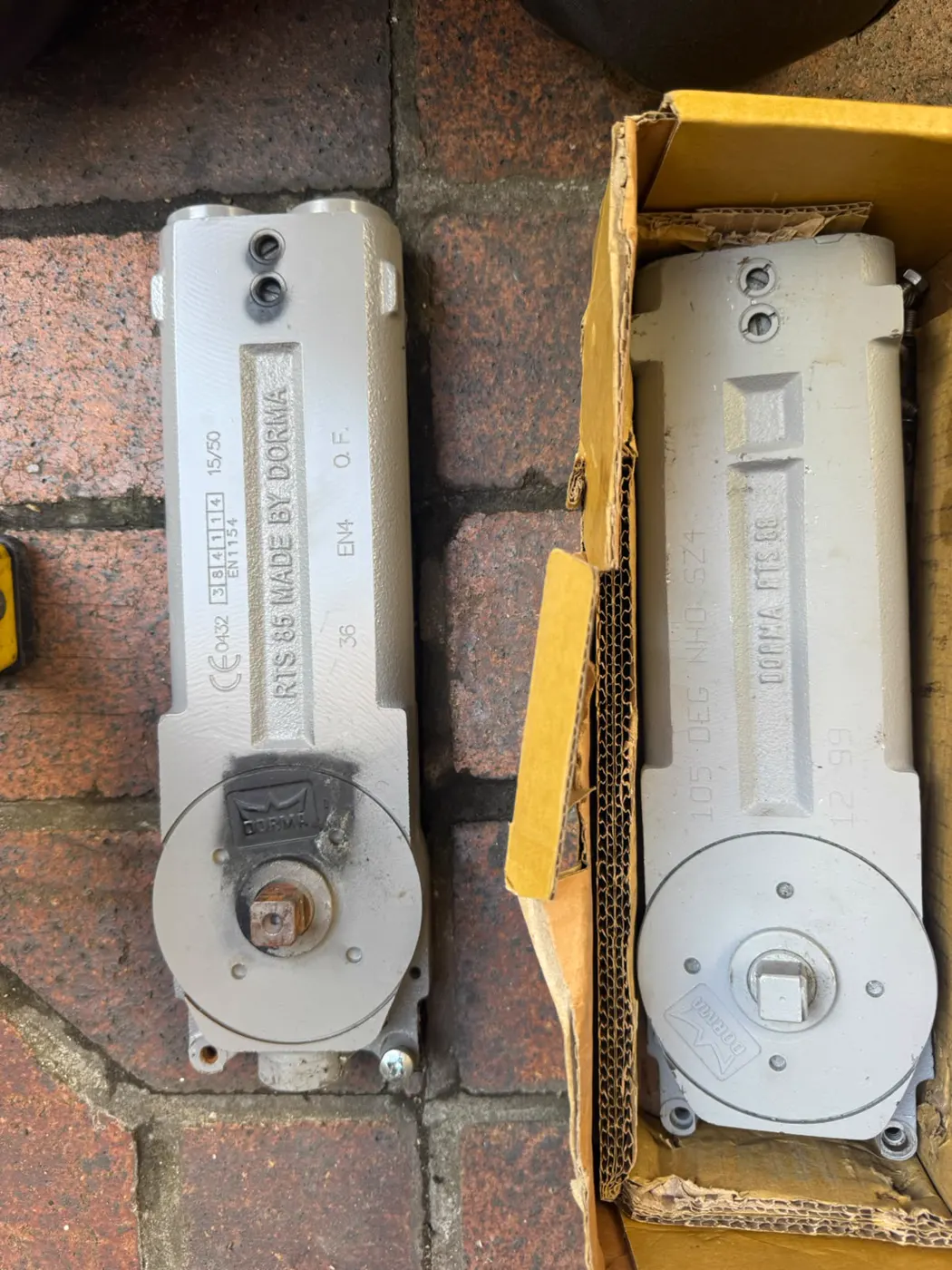
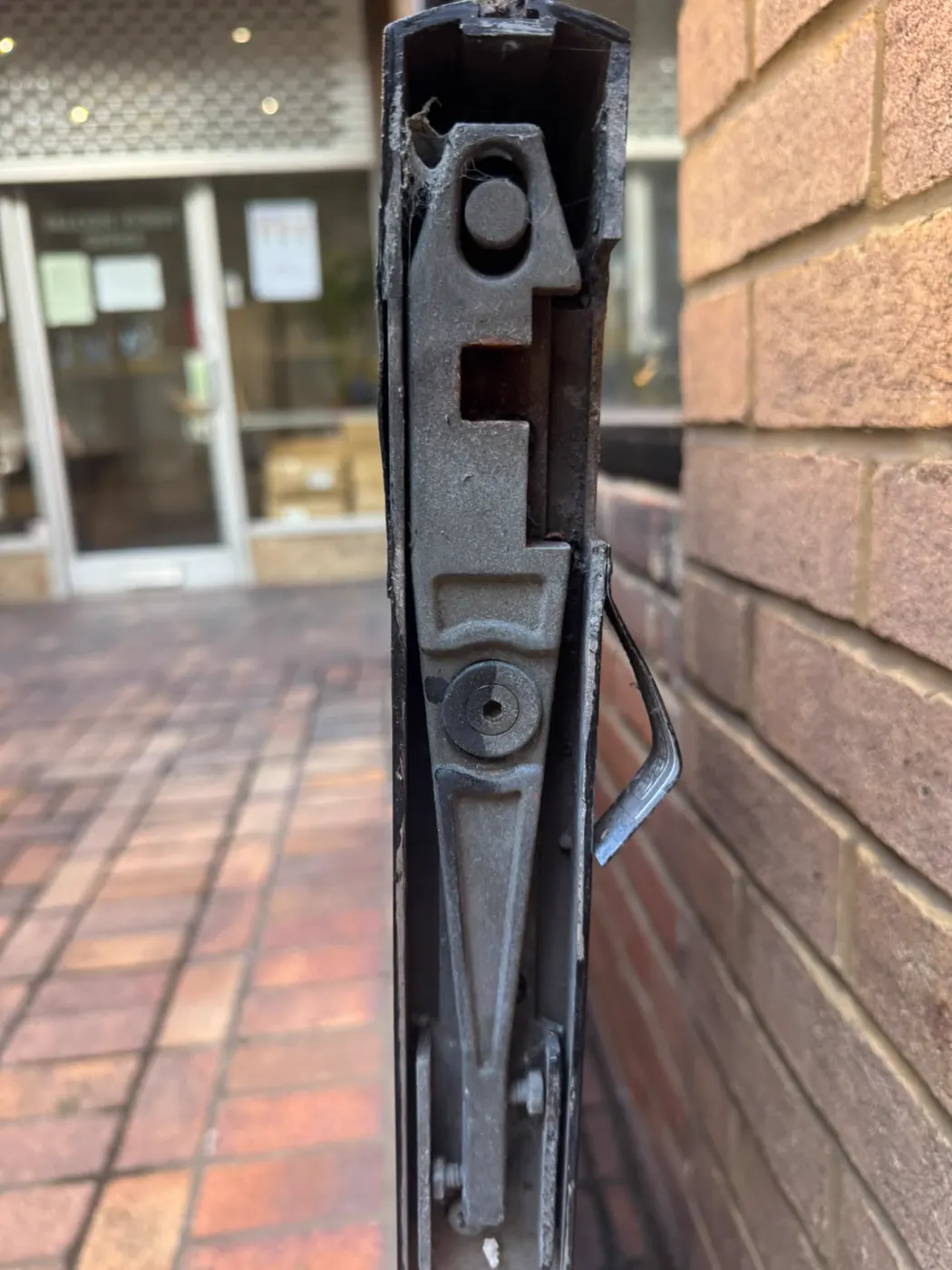
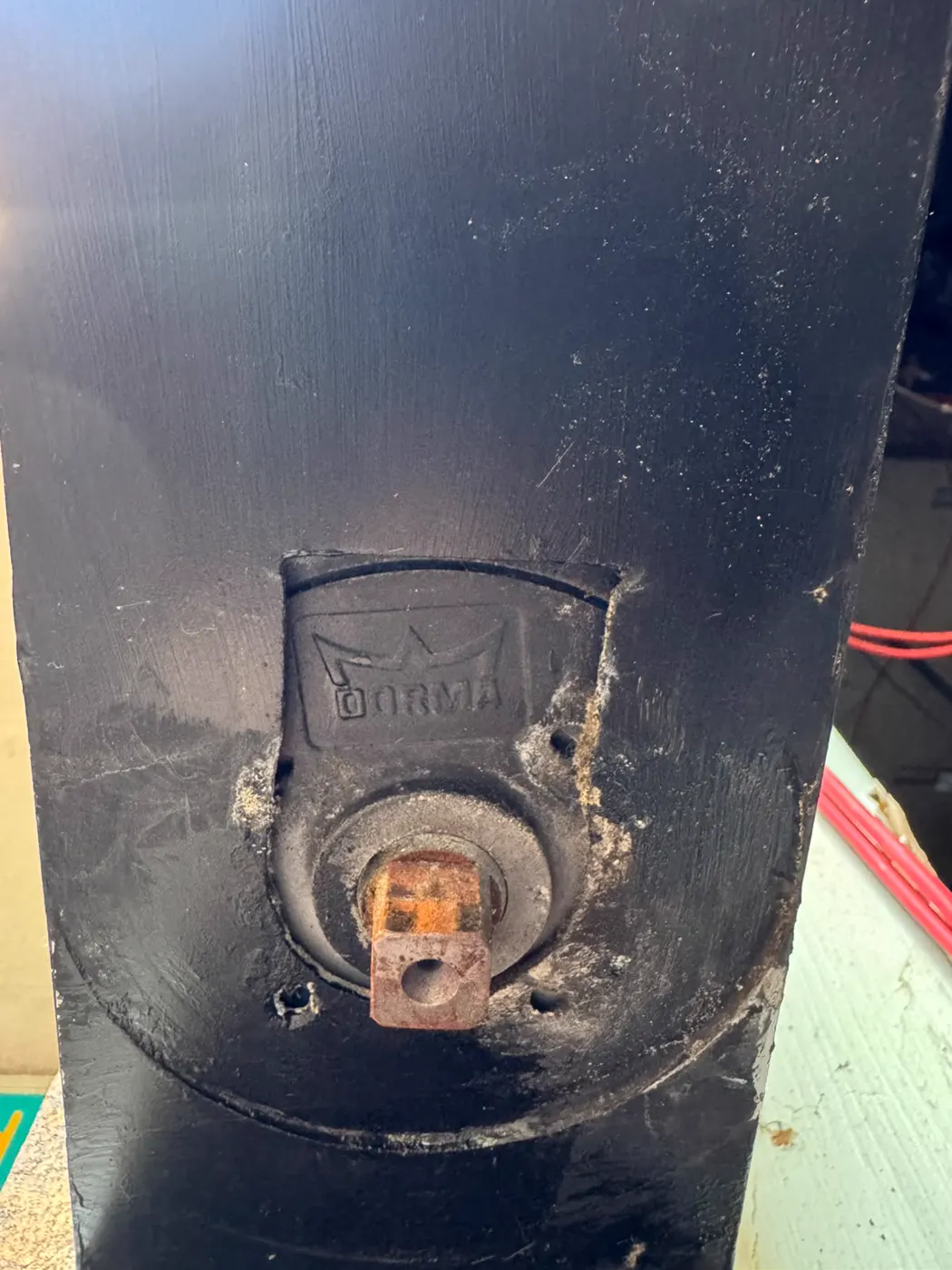
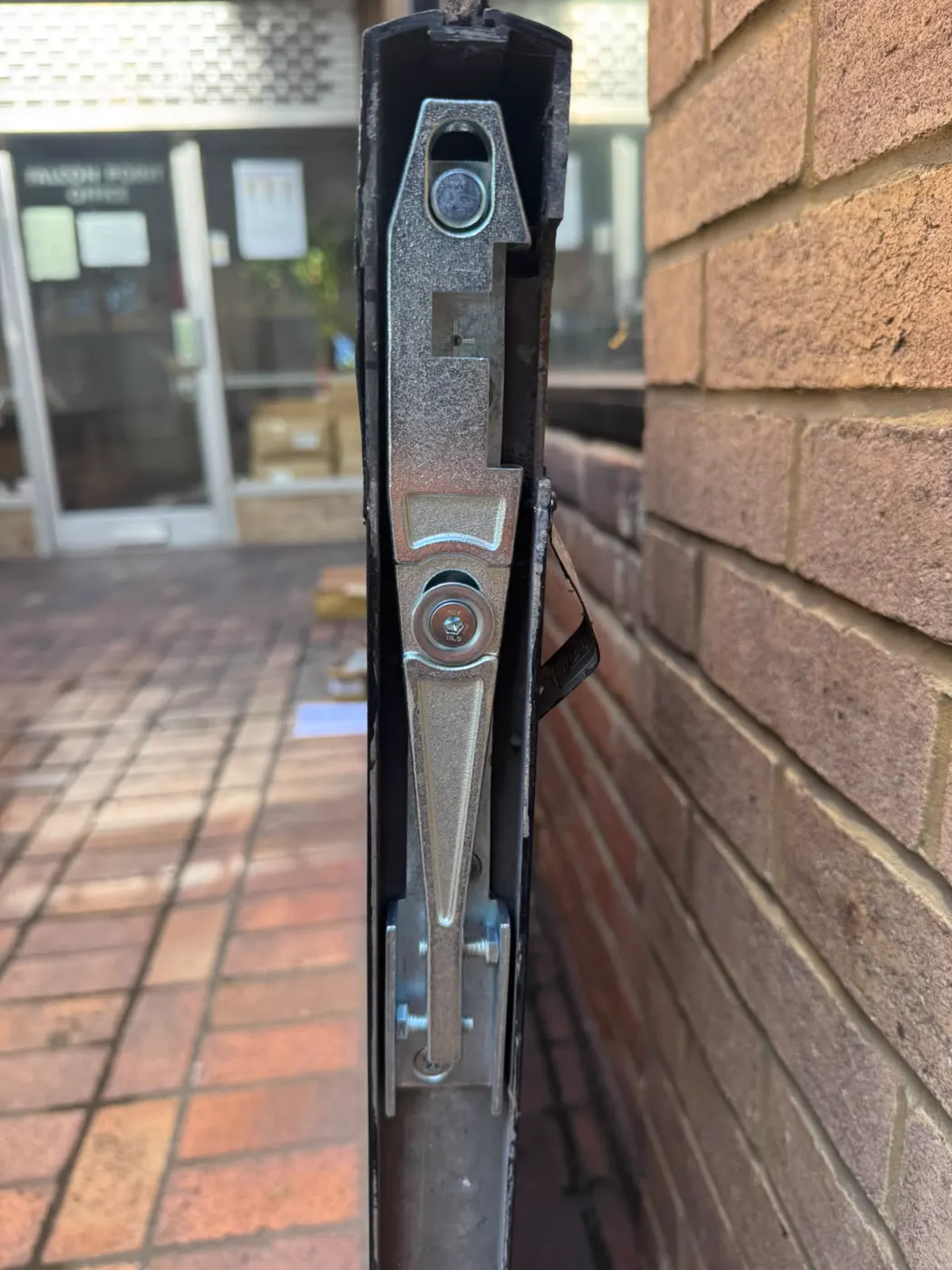
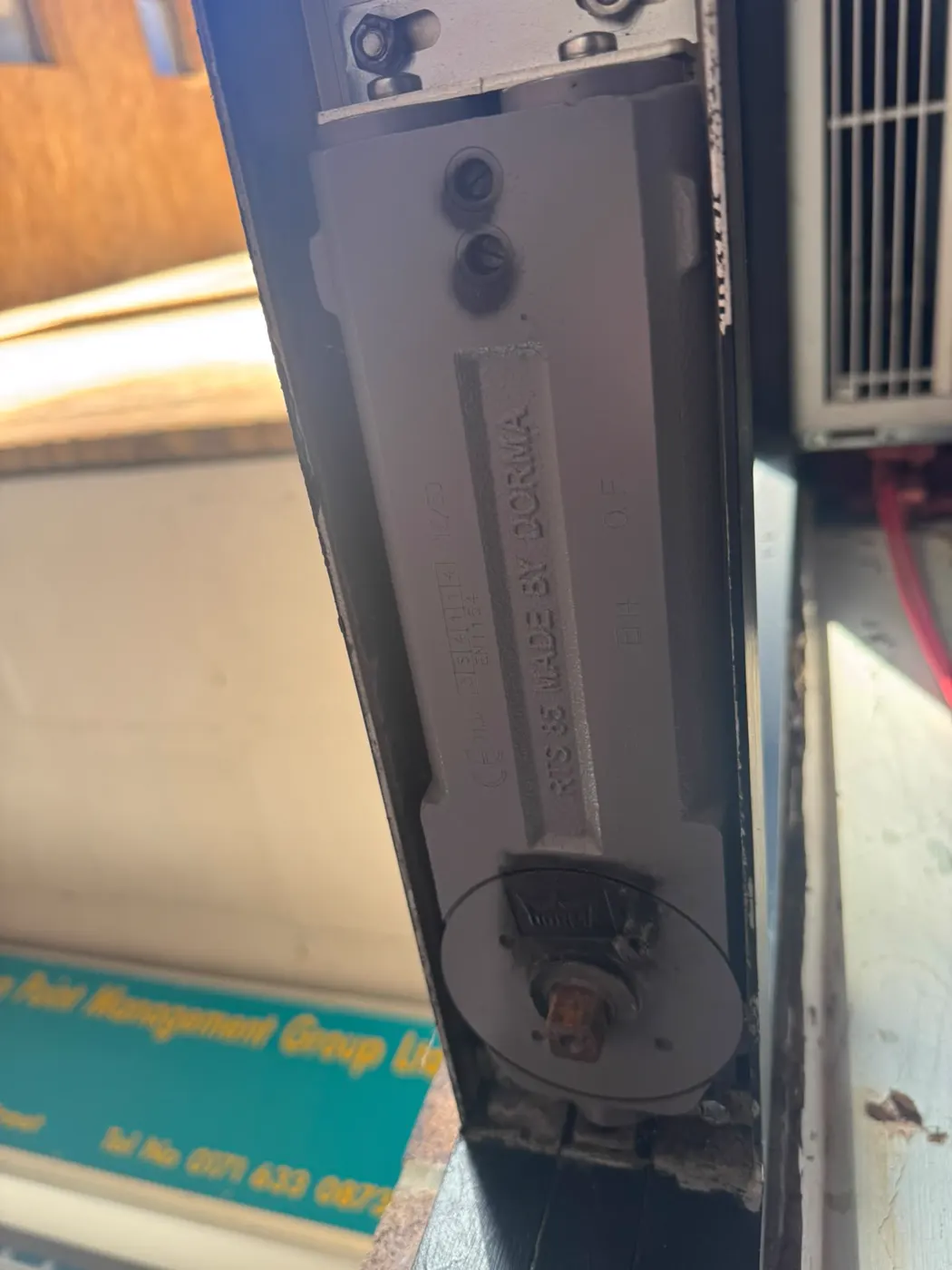
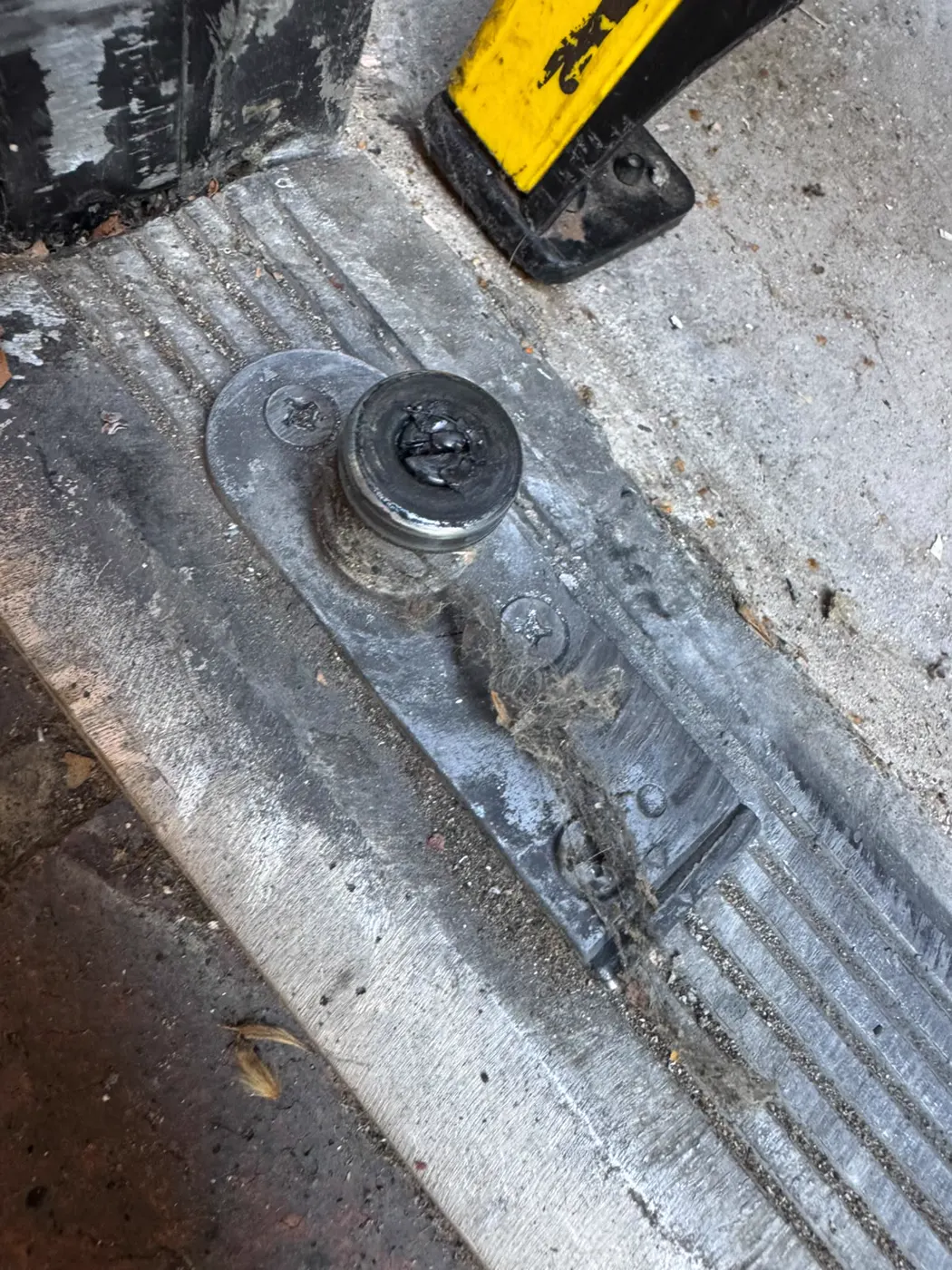
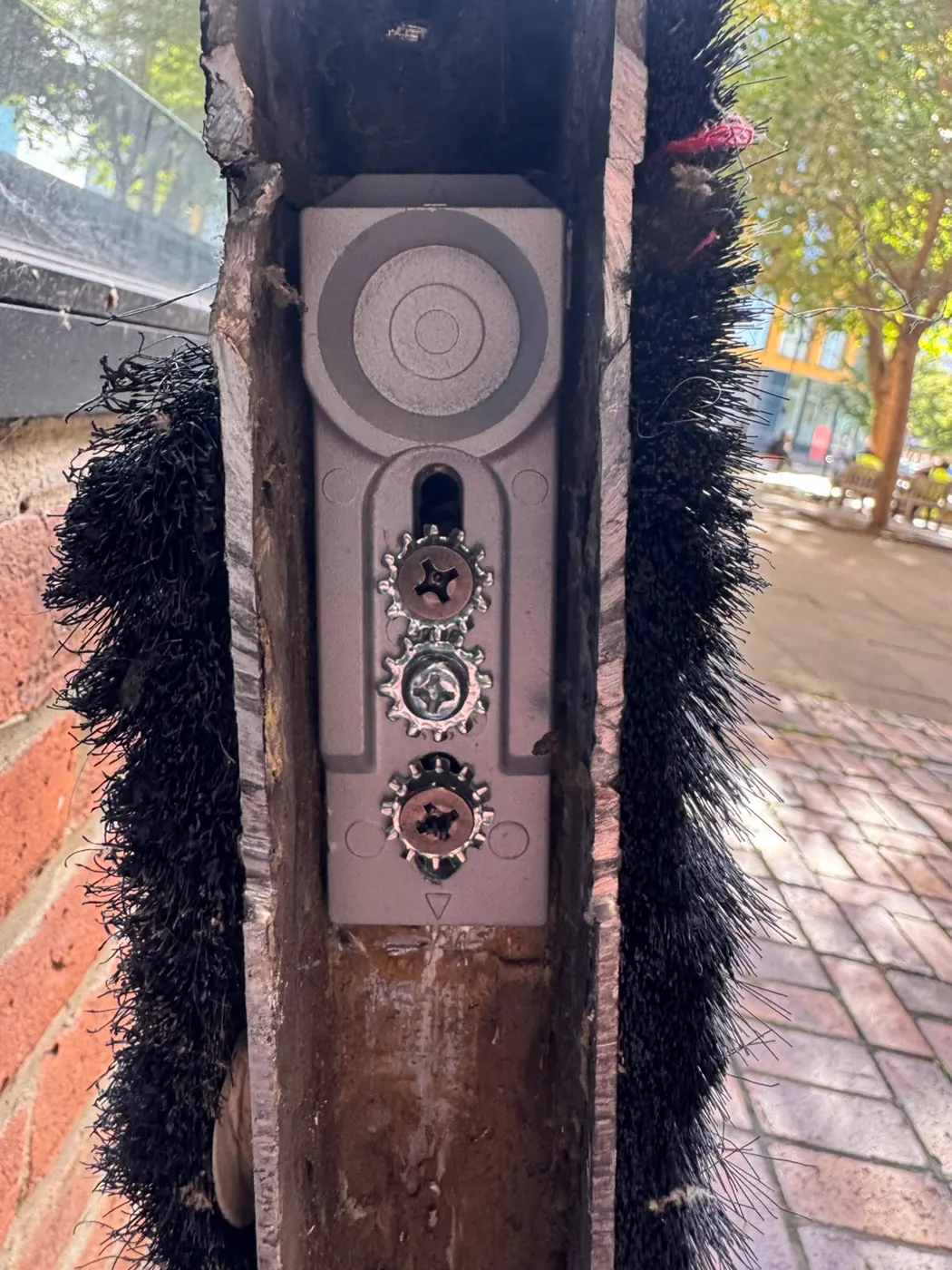
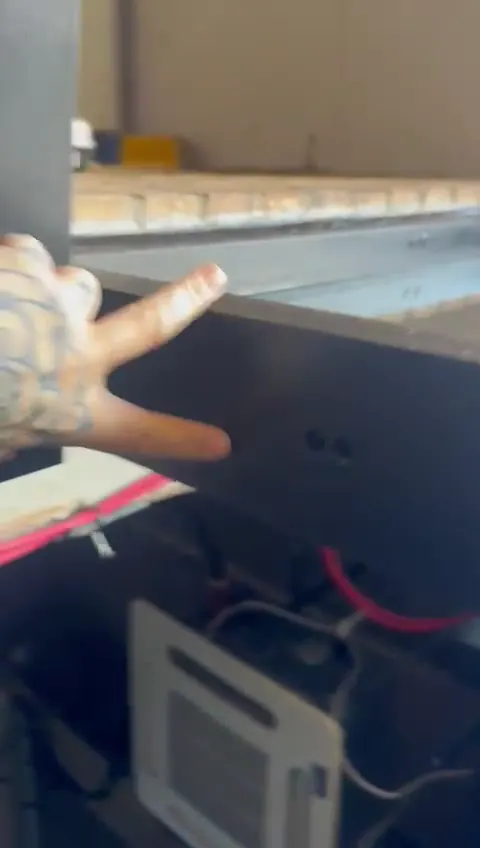
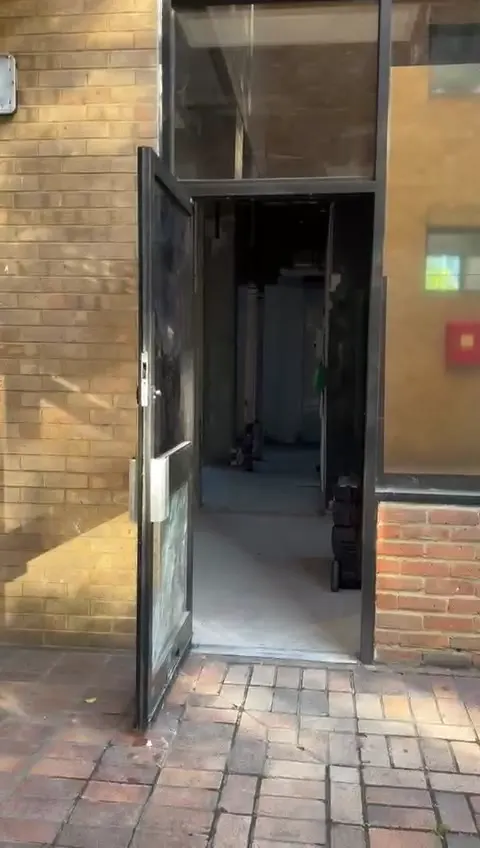
The Dorma RTS 85 is the concealed overhead closer fitted to a very large share of the aluminium entrance doors put up in Britain from the 1980s onwards, and its successor the RTS 88 shares the same transom cut-out. When one wears out there is no need to re-engineer the door: the transom cover comes off, the old body lifts out of its channel, and a new unit drops into the same space. What decides whether the job is an hour or a morning is the condition of what comes out. At the Flux Museum the original closer had corroded around its spindle housing — the photograph of the underside of the transom shows the rust where the spindle meets the door — and the cast arm in the top rail of the leaf had rusted with it. Both were replaced. The new unit is a current-production Dorma RTS 85, and the new arm is the bright zinc-plated piece in the top rail in the photographs.
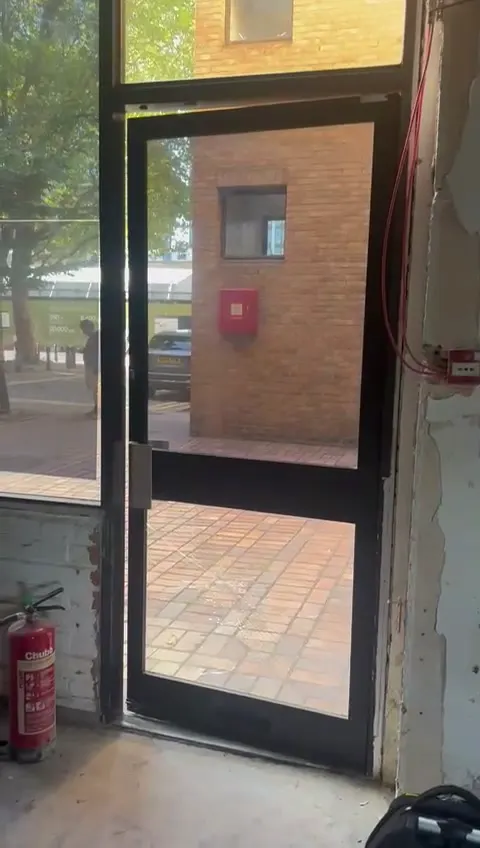
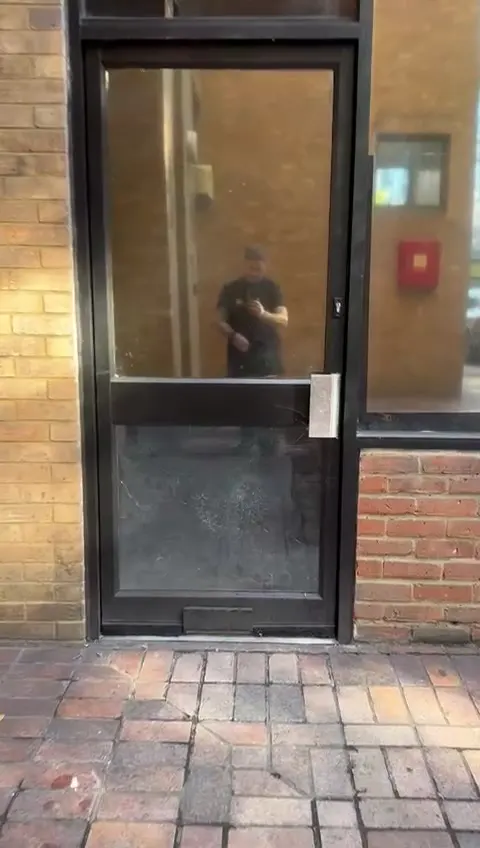
A museum entrance is a particular case for a transom closer. The door is used by visitors who do not know it, pushed open by people carrying bags and pushchairs, and let go rather than closed. The closer has to bring the leaf back every time at a speed that does not catch the person behind, and it has to latch, because a museum door that stands ajar is both a security and a climate-control problem for what is inside. The new RTS 85 was set with its closing and latching speeds adjusted for that kind of traffic and the leaf tested through its full swing from the courtyard and from inside.
Lock and keep
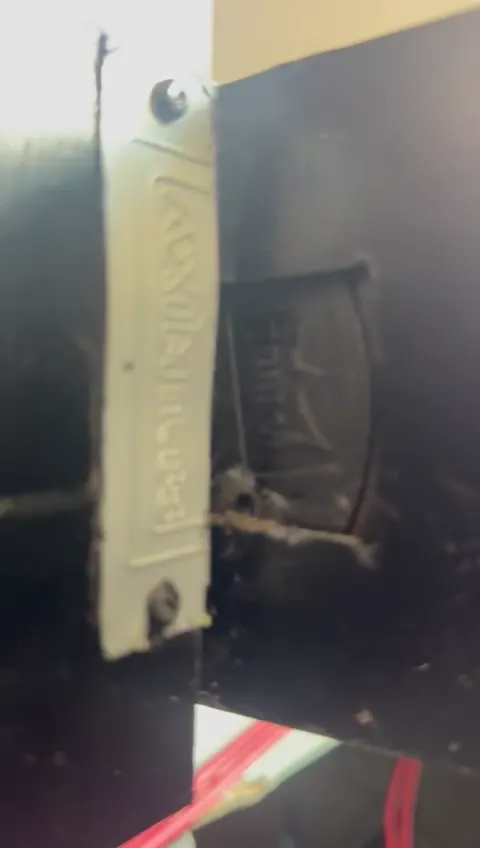
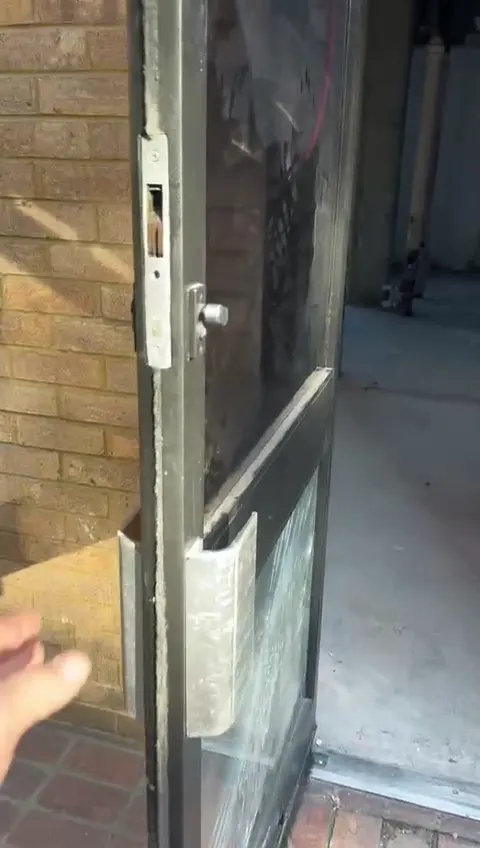
A door that has been closing badly for a while usually shows it at the lock. On this door the Axim mortice lock in the leaf meets a keep plate in the frame, and the video on this page follows the engineer checking that the latch drops into the keep cleanly now the closer is bringing the door home under control, and that the deadbolt throws without the door having to be lifted or pushed. Nothing on the lock needed replacing; it had simply been fighting a door that was not arriving square.
The cracked lower panel
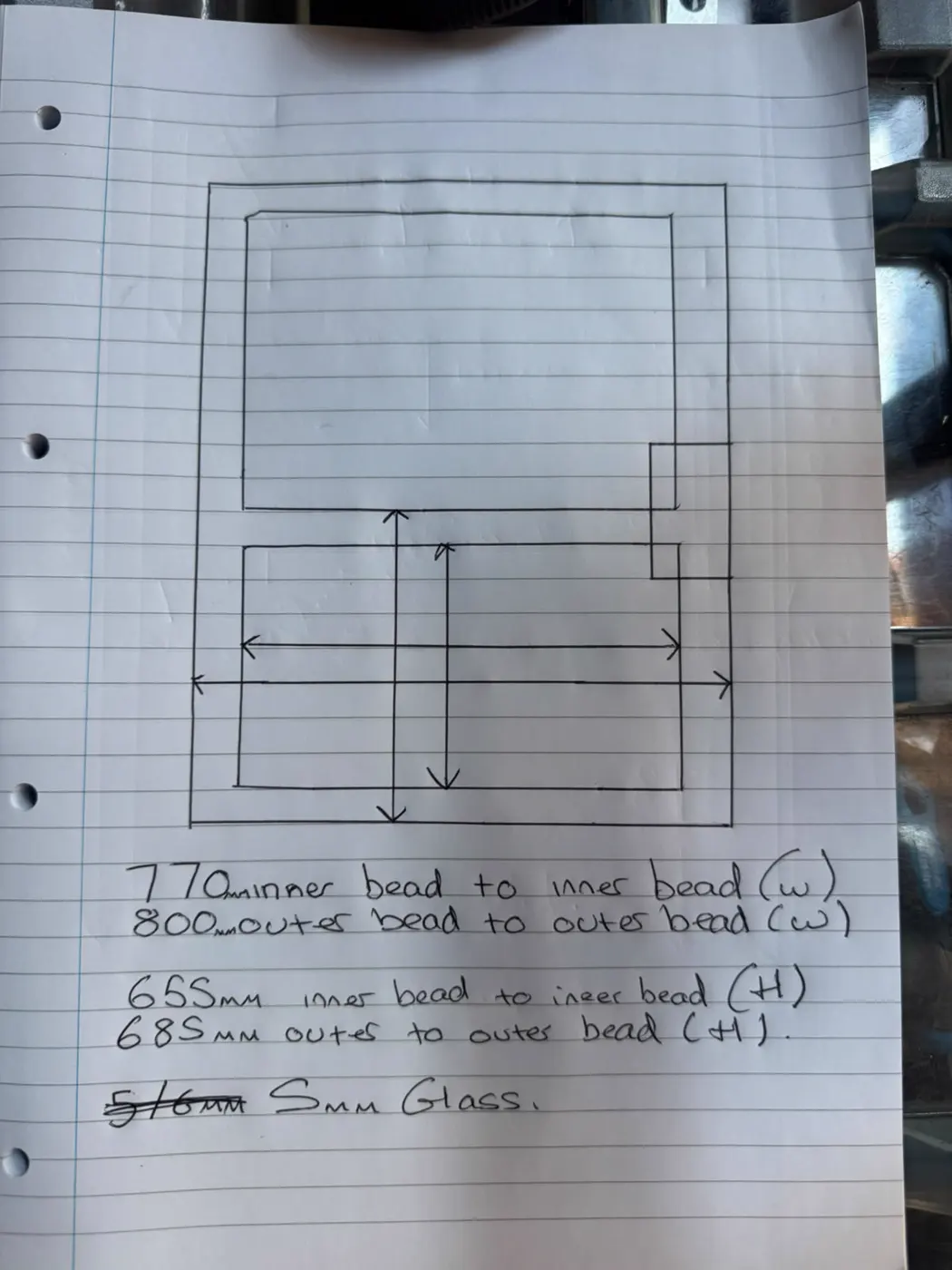
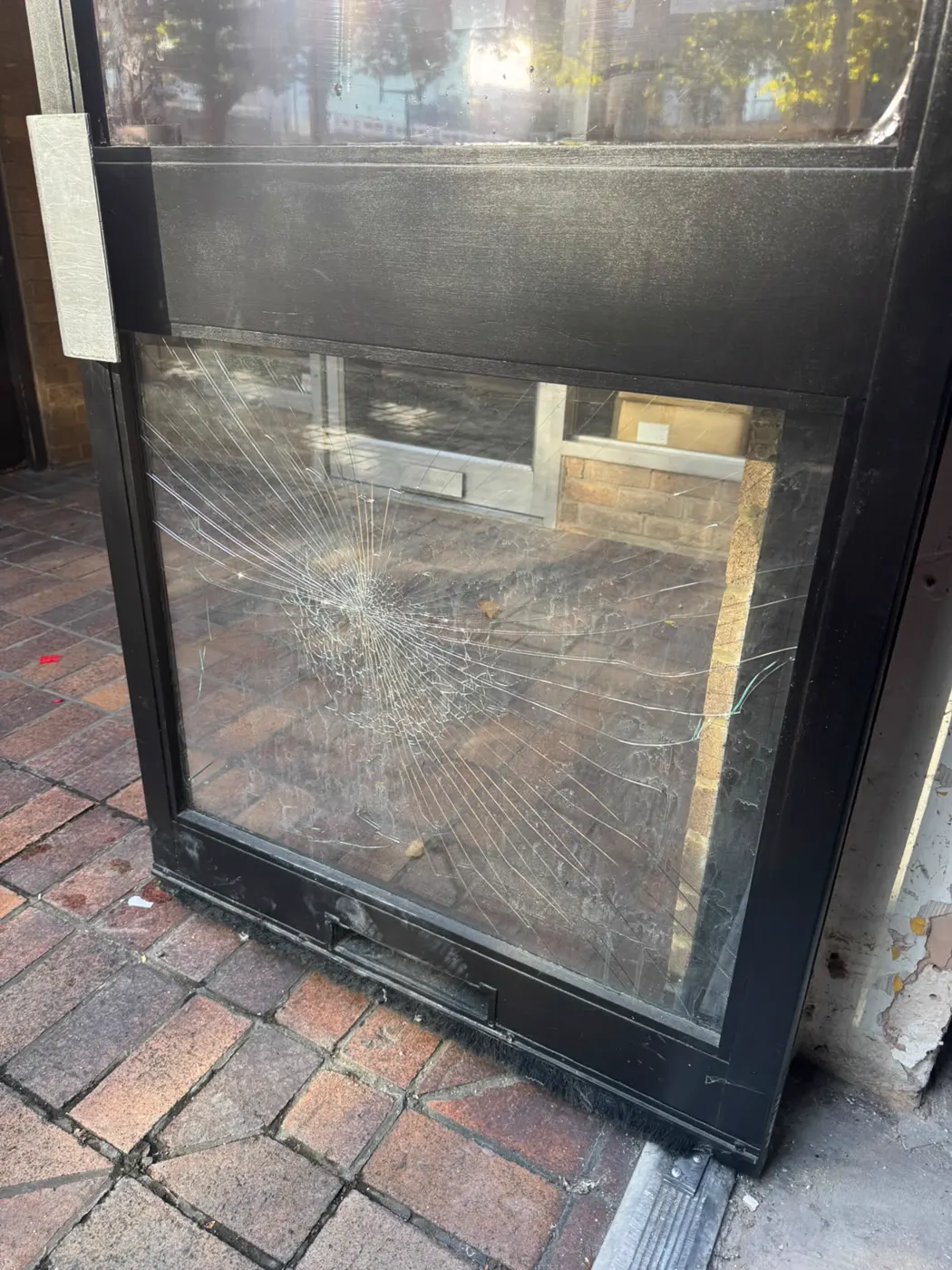
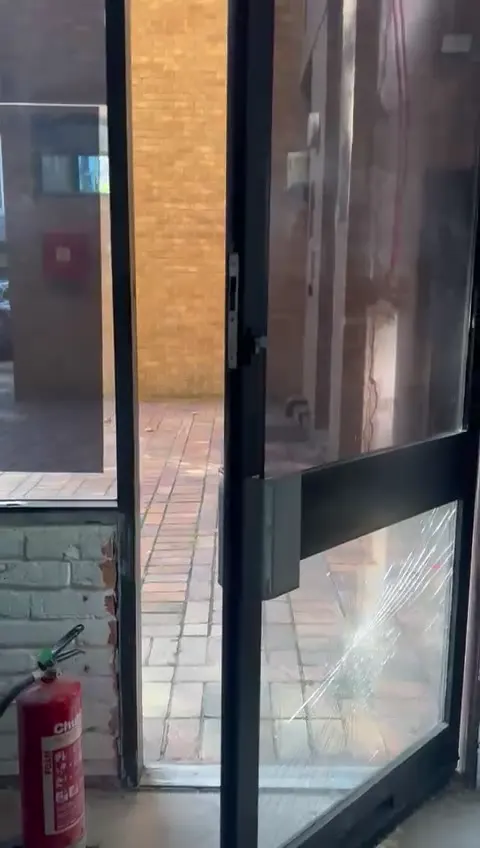
The lower glazed panel of the door had taken an impact and spidered from the centre. Toughened glass that has cracked this way is still holding, but it has lost the strength it was specified for and will eventually go, so it was measured for replacement at the same visit: inner bead to inner bead and outer bead to outer bead in both directions, and the thickness of the existing pane confirmed, so the new toughened panel can be cut to size and beaded in on a return visit without a second survey. The measurement sheet is among the photographs on this page.
Work completed at the Flux Museum
- Diagnosis — single black aluminium entrance door not closing under control; original Dorma RTS 85 transom closer corroded at the spindle housing, arm in the top rail rusted.
- Transom closer — new Dorma RTS 85 fitted in the existing transom in place of the original, like for like.
- Arm — new transom arm fitted into the top rail of the leaf.
- Commissioning — closing and latching speeds set for visitor traffic; leaf tested from both sides.
- Lock — Axim lock case and keep checked for clean latch and deadbolt engagement with the door closing square.
- Glazing — cracked lower glass panel measured bead to bead and thickness confirmed for a replacement toughened pane on a return visit.
Museum and visitor attraction door repairs across London
Commercial Door Maintenance and Security Ltd repairs entrance doors for museums, galleries and cultural venues across London, from East London and Stratford through the City to the West End. Transom closers, floor springs, locks and replacement glazing on aluminium and glass doors are everyday work, and we schedule it around opening hours so the front door is never out of action while visitors are arriving. If a door has started to slam, stand open or miss its latch, send us a photograph of the top of the frame and we will tell you what is in the transom.